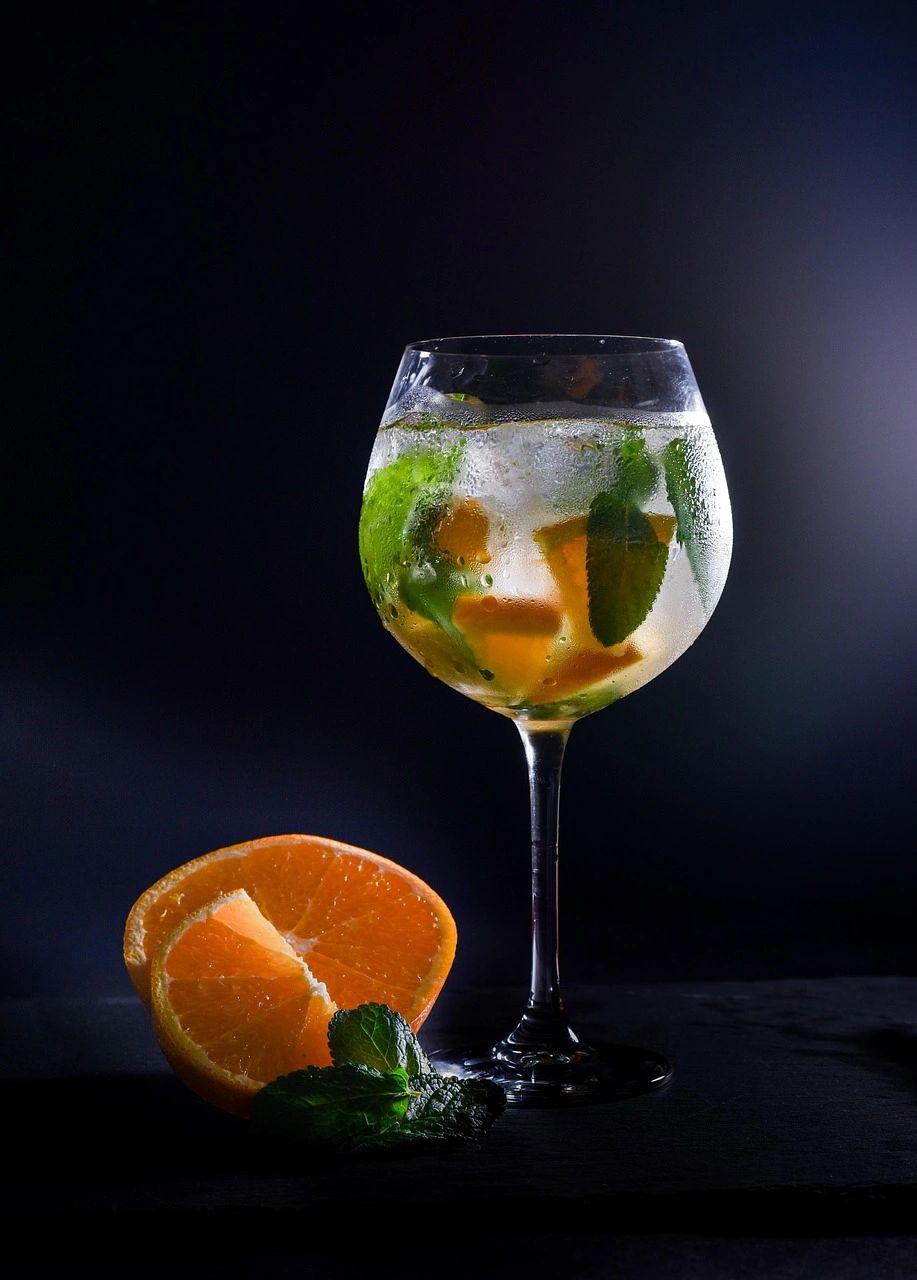
Why zero-proof is taking off
- Health and wellbeing: more people want the social ritual of a drink without the sleep disruption, calories or next-day fog.
- Sober-curious and lifestyle choice: choosing booze-free is no longer about recovery alone; it’s a cultural movement towards intentional living.
- Better alternatives: non-alcoholic spirits, craft alcohol-free beers and sophisticated zero-proof cocktails now offer real complexity and texture.
- Inclusive social design: hosts and venues can welcome everyone to the table, keeping the ceremony of drinking intact while broadening appeal.
How the trend shows up in real life
- Bars present dedicated zero-proof menus that read like wine lists - tasting notes, provenance and suggested pairings.
- Restaurants create signature non-alcoholic serves that pair with dishes, rather than merely replacing cocktails.
- Events feature alcohol-free bars and curated zero-proof cocktails so guests never feel marginalised.
- Retail and grocery shelves now carry premium 0% wines, distilled non-alcoholic spirits and botanical mixers that present like craft products.
What this means for venues and brands
- Offer a thoughtful alcohol-free programme, not a token page. Menu care signals respect and drives spend.
- Train floor staff to sell alcohol-free options with the same language used for cocktails.
- Use price architecture that reflects craft and labour - premium alcohol-free drinks sell when positioned intentionally.
- Use alcohol-free launches to reach new audiences: wellness patrons, hybrid drinkers, designated drivers, pregnant guests and the sober-curious.
Final thought
Zero-proof drinking isn’t a retreat from drinking culture - it’s an expansion of it. When flavour, ceremony and intention are treated with the same craft as alcoholic drinks, everyone at the table wins.